
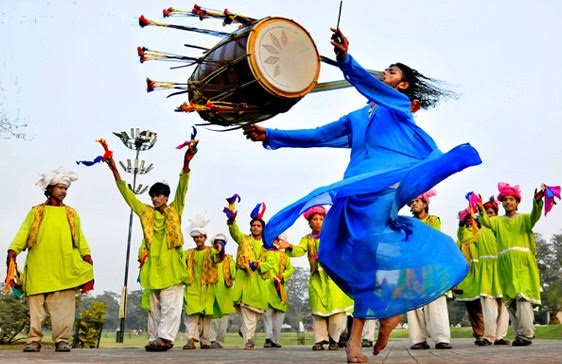
In a fast-paced globalized universe, Punjabis across the globe were engaged in the cultural existence. No longer content with letting the heritage fade into the background, a newest wave of young, modern Punjabis was embraced the traditions, language, and values of the ancestors. From the fashion they wear out to the music they streamed, modern Punjabis were actively reclaimed the roots—and doing it with a pride.
EMBRACING THE PUNJABI LANGUAGE IN REGULAR LIFE
One of the strong pillars of cultural identity was language. Among diaspora communities, Punjabi has been began to lose the daily relevance, especially with second and 3rd-generation kids favoring English. Today, however, there was the noticeable shift.
Young Punjabis were re-learning Gurmukhi, teaching it to the kids, and incorporating Punjabi phrases into each day conversation. Apps, online tutors, and YouTube content creators were supporting bridge up the gap. Platforms like Learn Gurmukhi and PunjabiPod were experienced risen traffic as youth seeking to not just understand, but speaken Punjabi fluently again.
FASHION AS A FORM OF CULTURAL PRIDE
Punjabi-inspired fashion had seen the dramatic evolution. It was no longer reserved for traditional and weddings events. Brands such as Pind Block, 267Punjabi, and Tilla The Label were fused traditional silhouettes with modern aesthetics. From tees that proud way displayed the words “Kaur”, “Singh”, or “Majha/Malwa/Doaba” to vibrant up phulkari jackets worn over jeans—Punjabi culture was literally being worn on a sleeves.
This resurgence is not just aesthetic—it was emotional and political. It represented the resistance to assimilation and a proud stand to identity in a West.
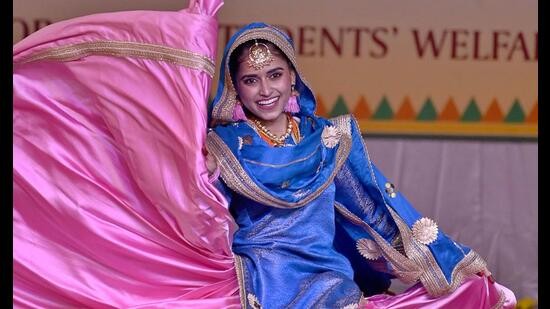
MUSIC: A CULTURAL BRIDGE THAT NEVER BROKE
Even when language using declined, Punjabi music never lost the grip. What’s changing now was the engagement depth. Modern artists such as AP Dhillon, and Diljit Dosanjh had not kept the genre alive but propelled it into the mainstream pop culture.
But this was not just about the chart-topping hits. Younger fans were now diving into folk traditions, discover legends such as Surinder Kaur, Gurdas Maan, and Kuldeep Manak. Punjabi music had become more than entertainment—it’s a portal to the cultural memory.
REVIVING TRADITIONAL CUISINE IN CONTEMPORARY KITCHENS.
Food had always been central to the Punjabi life. But modern Punjabis were going beyond restaurant home-cooked saag and butter chicken—they were rediscovered Ayurvedic dietary traditions from Punjab, and regional specialties, longer-forgotten recipes.
Food influencers on TikTok and Instagram were shown audiences how to cook panjiri, makki di roti, traditional pickling techniques and sarson da saag, gud wali chai. Numerous were combining old-world knowledge with the contemporary wellness trends—such as incorporated turmeric lattes (haldi doodh) or ghee-based cooking into usual life cycle.
PILGRIMAGE AND CULTURAL TOURISM
Thousands of diasporic Punjabis were visiting Punjab not just to visit relatives—but to reconnecting with legacy and land. Young adults were participated in langar seva at the Golden Temple, explored ancestral villages, and even taking farming experiences in places such as Majha and Malwa.
There was also a risen in interest in Sikh history tours like trips to Anandpur Sahib, Fatehgarh Sahib, and sites linked to the Gurus’ legacy. Numerous were visiting the partition museums in Lahore and Amritsar to known their family’s history of survival and displacement.
SIKH VALUES DRIVING SOCIAL ACTION.
Young Punjabis were return to core Sikh values— justice, seva (service), and equality—and apply them to modern social movements. From community fridges to the protest marches, Sikh youth were utilizing activism as the form of religious expression.
Movements like the Farmer’s Protest (2020-2021) highlight the power of global Punjabi solidarity. Whether it was feeding the homeless in California or raised up funds for flood victims in Punjab, the Sikh spirit of sarbat da bhala was thrived in millennials and Gen Z.
INTERFAITH & INTERSECTIONAL PUNJABI IDENTITY.
Modern Punjabis were also break down rigid boundaries of caste, religion and gender roles. Many were proudly embraced interfaith relationships, LGBTQ+ Punjabi identities, and the version of culture that inclusive, not restricted.
By organizing events such as Brown Girl Fest, Queer Desi meetups, and Dalit-led Punjabi art collectives, the younger generation was developing the more honest, Punjabi identity expansive version—one that reflecting both its inclusive future and glorious past.