
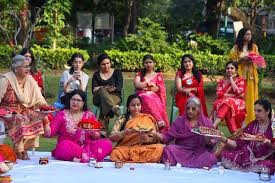
Punjabi women had always been the heartiest of Punjab’s rich in cultural heritage. Their lives were close way woven with rituals that marking every significant phase—from marriage to birth, spiritual practices and festivals.
1. Rituals Celebrated at Birth
The birth of the girl kid in Punjabi families was traditionally welcomed with blessings and joy. Rituals such as “Chhathi” (celebrated on the 6th day after birth) involving prayers to the future prosperity and kids health. Elder women blessed the newborn, symbolized protection and love from community and family.
2. Naam Karan (Naming Ceremony)
The naming ceremony holding good spiritual significance. The name was often chosen based on the religious faith, astrology, or family traditions. Punjabi women grew up understanding the significance of the name as a chunk of the cultural roots and identity.
3. Rakhdi and Sibling Bond Rituals
The Rakhdi ritual, same to Raksha Bandhan, highlighting the emotional bond between brothers and sisters. Punjabi women tied the sacred thread on the brother’s wrist, symbolized love, protection, and lifelonger support. This ritual reinforced emotional strength and family unity.
4. Celebrating Womanhood and New Beginnings- Lohri
Lohri was one of most significant festivals in Punjabi woman’s life line. It was meaningful to newly married women and new moms. Rituals involved circling the bonfire, offer sweets, peanuts, and prayers to prosperity, fertility, and happiness.

5. Teej – Honoring Marital Bliss
Teej was gorgeous festival celebrated by married women of Punjabi. Women dressed in colorful traditional attire, apply mehndi, and singing folk songs. The ritual symbolizes love, devotion, and prayers to the good married life cycle.
6. Mehndi Ceremony Before Marriage
The Mehndi ritual was the necessary pre-wedding ceremony. Intricate henna designs were applied to the bride’s hands and feet, symbolized beauty, good fortune and love. Punjabi women faith dark mehndi brings stronger blessings and marital bonds.
7. Chooda Ceremony
The Chooda ritual marking the woman’s transition into married life. Red and white bangles were placed on the bride’s wrists by the maternals uncle. These bangles symbolized social identity, prosperity, and marital happiness as a married woman.
8. Wedding Rituals and Laavan
Punjabi weddings were deeply ritualistic. The Laavan, four sacred hymns recited during a Anand Karaj, representing spiritual progress and companionship. Punjabi women embracing marriage as the sacred journey rather than just the social bond.
9. Karva Chauth Observance
Although much more common in the Northen India, many Punjabi women observed Karva Chauth. Women fasting for their hubby long life and well-being, break the fast after moon sighting. The ritual reflecting emotional commitment, devotion, and patience.

10. Daily Spiritual Practices
Punjabi women often engaged in the regular prayers, visit Gurudwaras, or recited Gurbani. These rituals serve mental peace, moral guidance, and emotional strength, supported women balance family responsibility and personal progress.
11. Festival Rituals – Baisakhi and Gurpurabs
Festivals such as Baisakhi and Gurpurabs playing a core role in Punjabi women’s life style. Rituals involve preparing traditional meal, wearing ethnic attire, participated in community prayers, and seva (selfless service). These practices community bonding and promoting gratitude.
12. Rituals of Motherhood
Punjabi women followed different customs during the pregnancy and after a childbirth, guided by elder women in family. These rituals aim on care, nourishment, and emotional help, strengthened generational wisdom.
13. Passing Traditions to the Next Generation
One of the most significant roles of Punjabi women was preserving and pass on rituals to their kids. Through stories, celebrations, and regular practices, women certains cultural continuity and pride in the heritage.
14. Modern Adaptation of Traditional Rituals
Today, Punjabi women balancing tradition with the modern lifestyles. While few rituals had evolved, their core values remained unchanged. Women adapting traditions to suit contemporary lifestyle while honoring the cultural essence.