
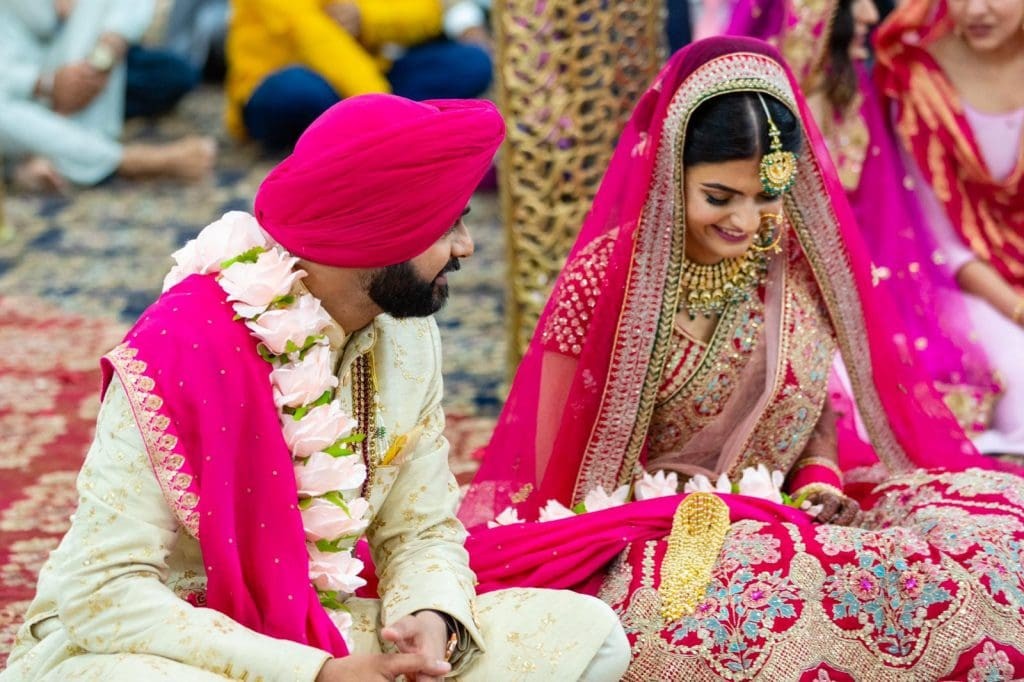
The vibrant and culturally rich world of Punjabi wedding rituals! From the rhythmic beats of the dhol to the colors of the attire, every aspect of a Punjabi wedding reflects the spirit of Punjab – warm, lively, and filled with love.
In this blog, we will take you on a journey through the captivating rituals, joyful festivities, and heartwarming moments that make Punjabi weddings a truly unforgettable experience.
So, join us as we explore the traditions that bind hearts and families in the land of Balle Balle!
Kurmai
The Kurmai ceremony referred to as the Sagai, marking the engagement in the Punjabi wedding. This ceremony was the beautiful blend of celebration and tradition. During Kurmai, the bride receiving the precious gift—an ornate dupatta, often the heirloom piece from a groom’s family. The bride was also showering with gifts, especially jewelry, which her soon-to-be mom-in-law and sister-in-law assist her in the adorning. The father of the bride playing the significant role by placing the tika on the groom’s forehead, bestowing blessings upon him for the harmonious future. To symbolizing their commitment, the engagement ceremony was sealed with the exchange of rings between a bride and the groom, signifying the starting of the journey towards wedded bliss.
Kirtan
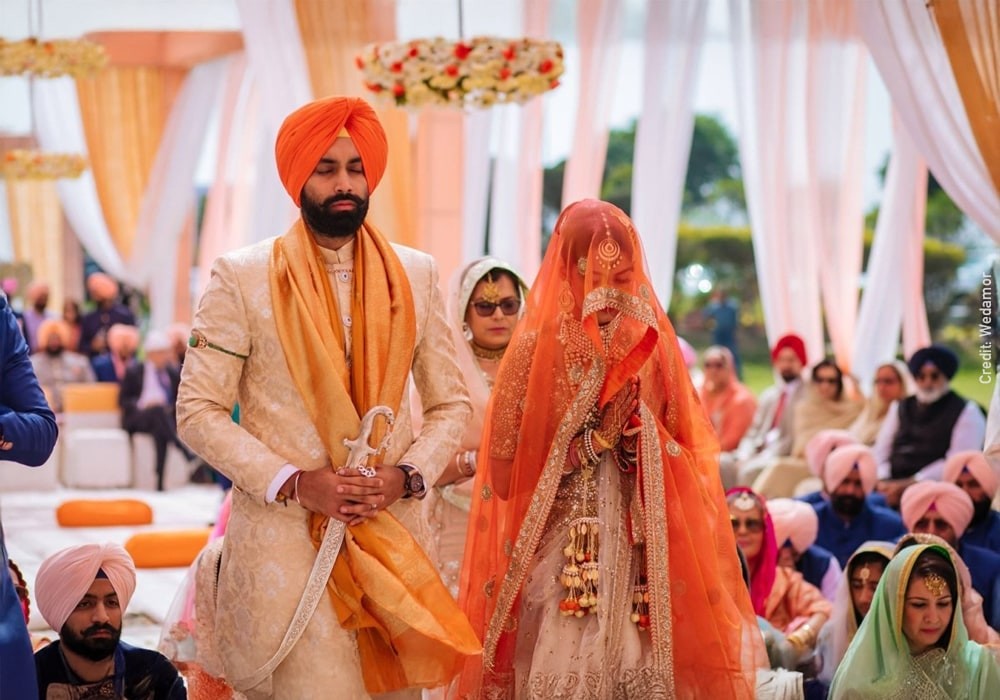
In the lead-up to the granded wedding festivities, the women from both the bride’s and groom’s families coming together in the separate gatherings. These gatherings typically taken place in a respective homes of the groom and bride. This special occasion was marking by the sacred puja, a spiritual ritual that symbolized the commencement of an wedding celebrations. It was household tradition where families coming together to seekened blessings.
Dholki
In the olden days, this joyful occasion involving close family members from both sides playing dhols (traditional drums) and sing spirited Punjabi folk songs, playfully teasing the groom and bride. However, in contemporary times, the Dholki ceremony had evolved. While the essence of celebration remains intact, it had taking on the much more modern flavor.
Mehendi
Mehendi artists were invited to a bride’s residence to skillfully adorn her feet and hands with henna, a tradition that extended to a female family members as well. To making the ceremony more fun, the groom also participated by applying mehendi, showcase his commitment to an upcoming union.
Beyond its traditional significance, the mehendi ceremony had embraced modernity, often evolved into the vibrant cocktail evening. This fusion of celebration and tradition makes the Mehendi ceremony the delightful and memorable pre-wedding event, filled with anticipation and joy.
Mayian.
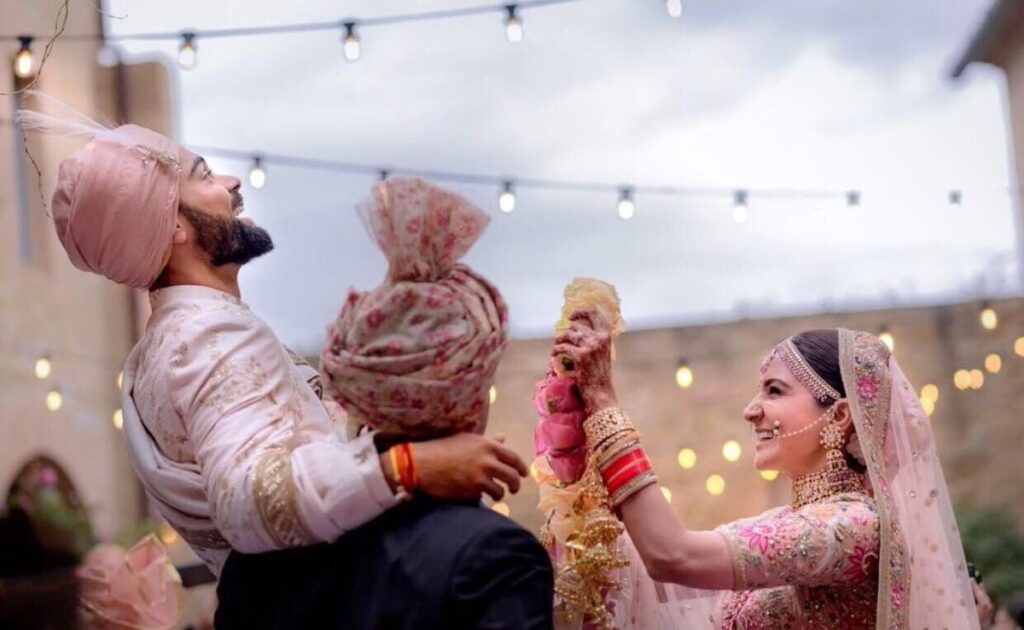
The Mayian ceremony was the pre-wedding ritual in Punjabi weddings, bring together several essential customs. It typically taking place on a night before the wedding, served as the ultimate preparation ceremony before the biggest day. During the Mayian, some key traditions were observed, including the Vatna (Haldi) ceremony and the Punjabi wedding Chura ceremony.
Jaggo.
This lively tradition involves family members staying awakened throughout the night, singing Punjabi wedding songs, and lighting diyas (traditional oil lamps). An integral chunk of an ceremony was when the bride’s maternal aunt carried these lit diyas on her head.
The Jaago ceremony was the night filled with exuberant singing, lively joyful and dancing celebrations, all in anticipation of an wedding day to come.
Vatna.
The Vatna ceremony, commonly signify as the Haldi ceremony, was the cherished pre-wedding ritual. In this culture, a paste made from turmeric and mustard oil was lovingly applied to an bride and groom, respectively. This application was believed to enhanced their natural glowing and prepare them for the upcoming wedding day.
Chura and Kalira
The Chura ceremony was the deeply symbolic and heartfelt ritual in the Punjabi weddings. It involves the presentation of the set of traditional red bangles to an bride by her maternal uncle. To adding an element of anticipation and surprise, the bride’s eyes were covered, and she was not allowed to witness the full ceremony. During the poignant moment, all family members presenting taken their turns to touching the bangles, impart the blessings and best wishes for a bride’s newest life.