
Looking for simple Punjabi hairstyles for weddings and parties? Whether you are attending a mehndi, jaago, sangeet, Anand Karaj or reception, the right hairstyle should complement your outfit, jewellery and comfort. These 15 ideas include braids, buns, ponytails and loose waves for different hair lengths and occasions.
Punjabi wedding guests do not need a different elaborate hairstyle for every function. Start with your hair texture, the time available, and whether you will wear a dupatta or head covering. The photographs below are examples from Mutiar’s existing media collection; results vary with hair length and texture.
15 Simple Punjabi Hairstyles for Weddings and Parties
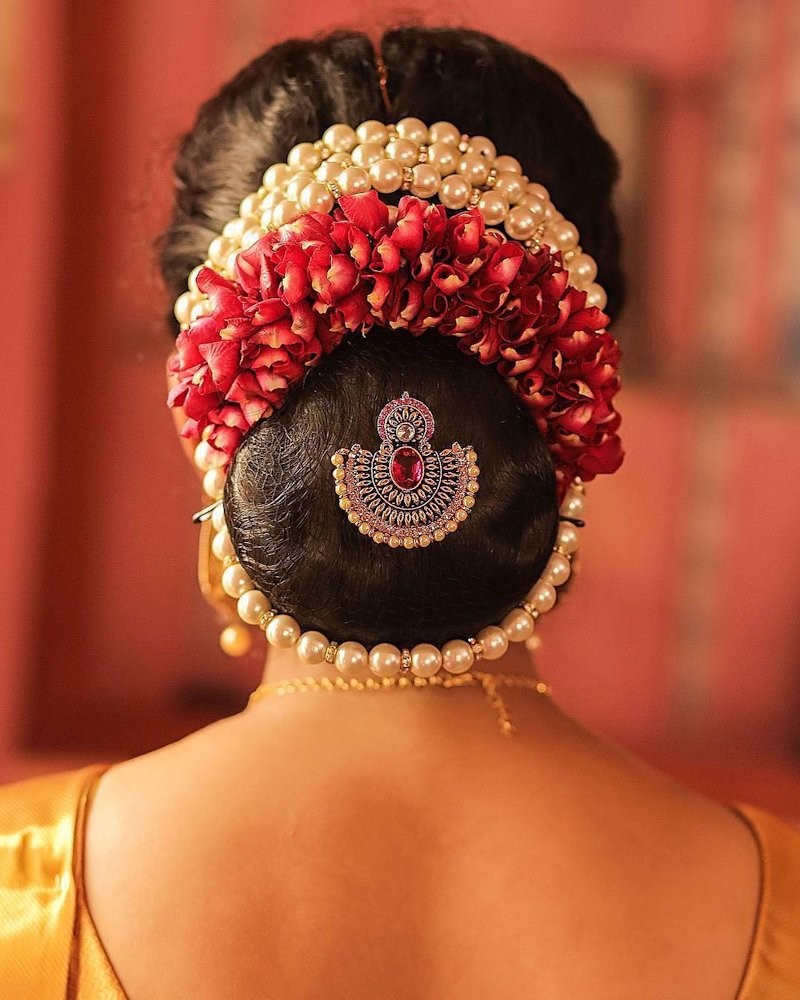
1. Low bun with a gajra
A low bun decorated with fresh or artificial gajra creates a classic look for a Punjabi wedding ceremony. Part the hair neatly, secure a low bun and attach the flowers without pulling the hairline. If the dupatta covers your head, check how the bun sits underneath.
2. Braided half-up hairstyle
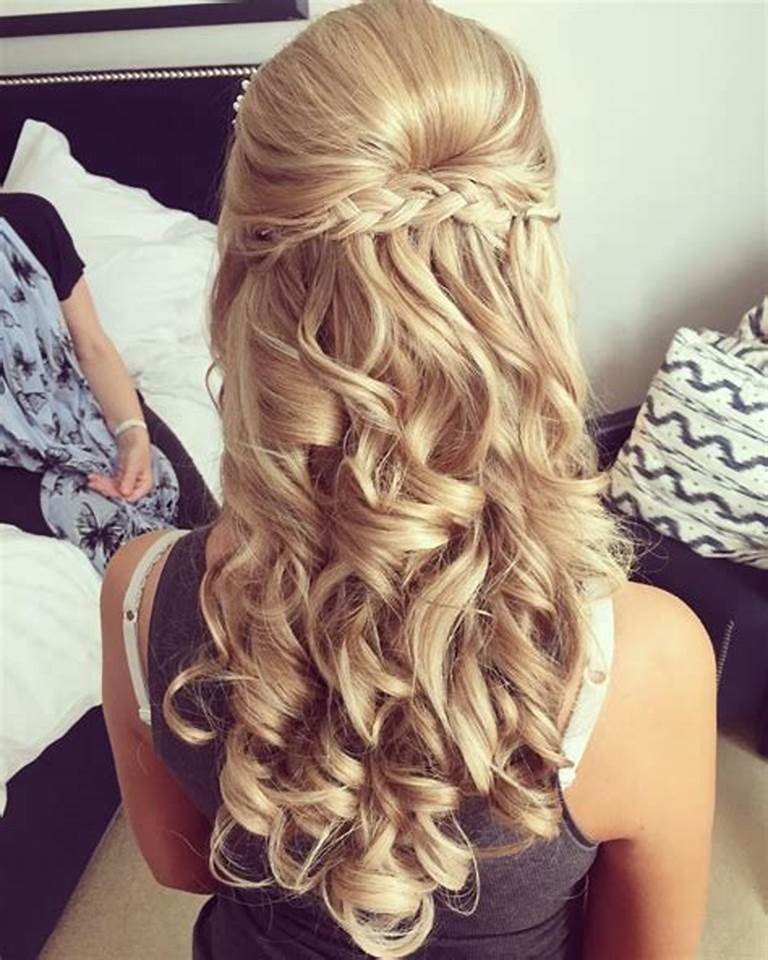
Pin back two narrow side sections into a soft braid and leave the rest of the hair loose. This keeps strands out of your face for a sangeet while allowing some movement. A small accessory can sit above the joining point.
3. Side braided bun
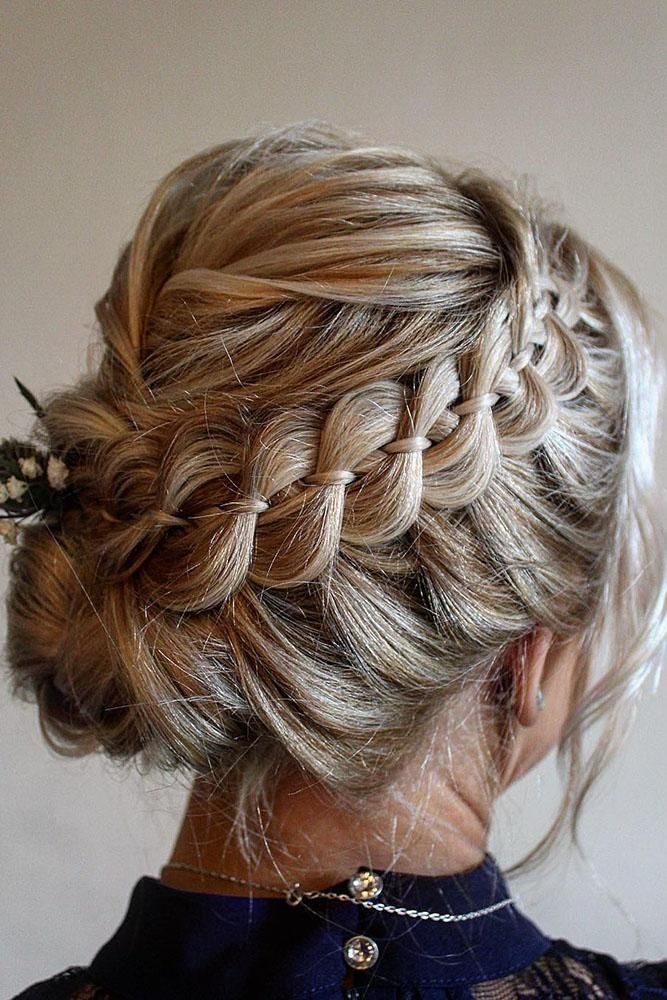
A side braid leading into a bun gives extra detail without needing very long hair. Keep the style comfortable around the ear and avoid heavy pins if you will be wearing large earrings.
4. Floral side braid
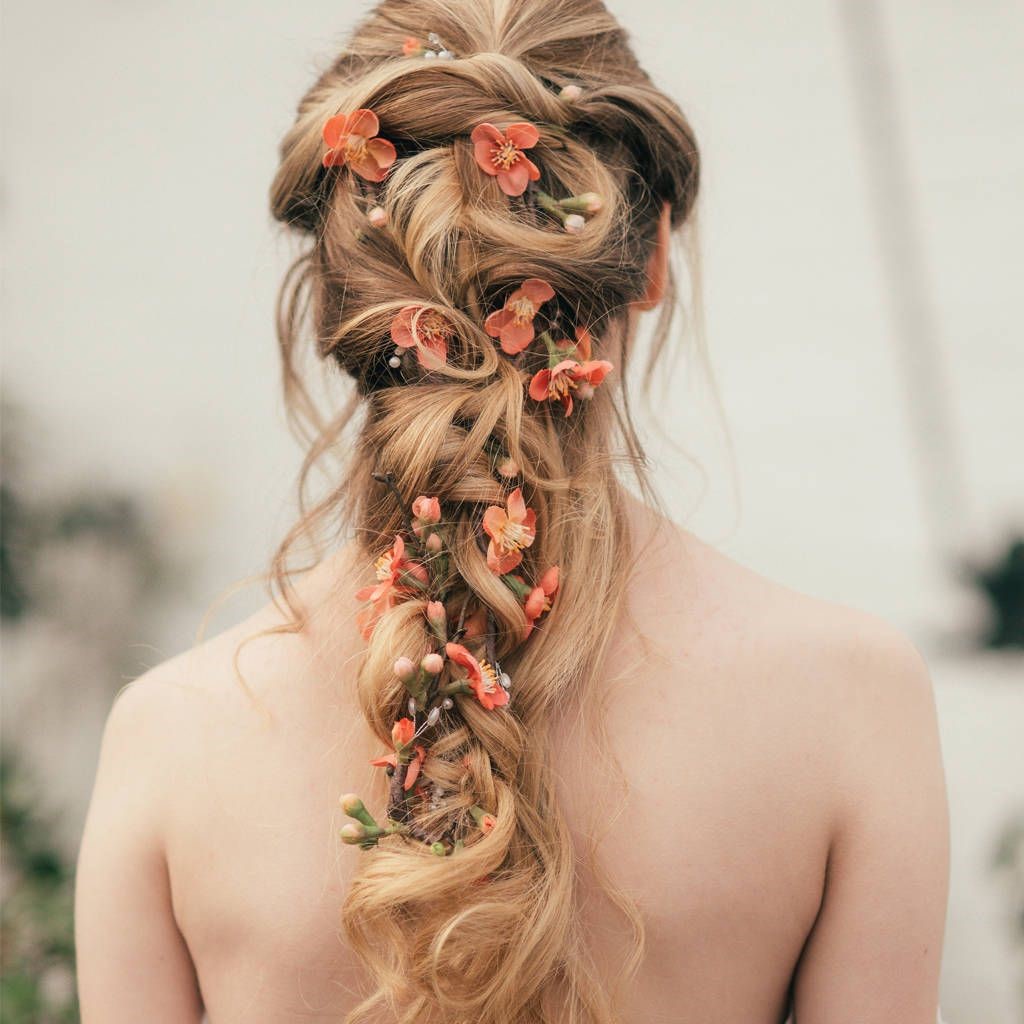
A simple side braid with small floral accents suits mehndi and daytime celebrations. Add flowers sparingly so the hairstyle complements, rather than competes with, an embroidered outfit.
5. Soft centre-parted waves
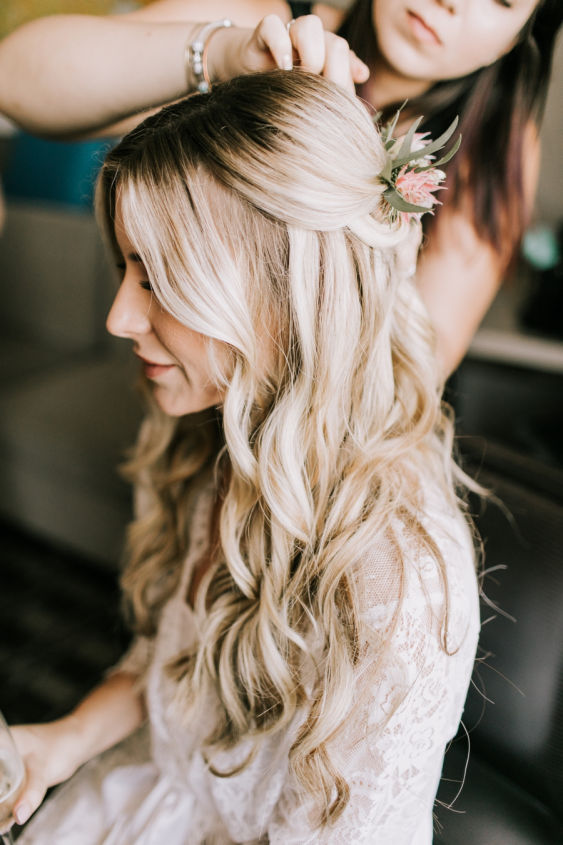
Soft waves with a middle part can work for wedding guests who prefer wearing their hair down. Use gentle heat or heat-free styling according to your hair type, and check the parting if you plan to wear a tikka.
6. Crown braid
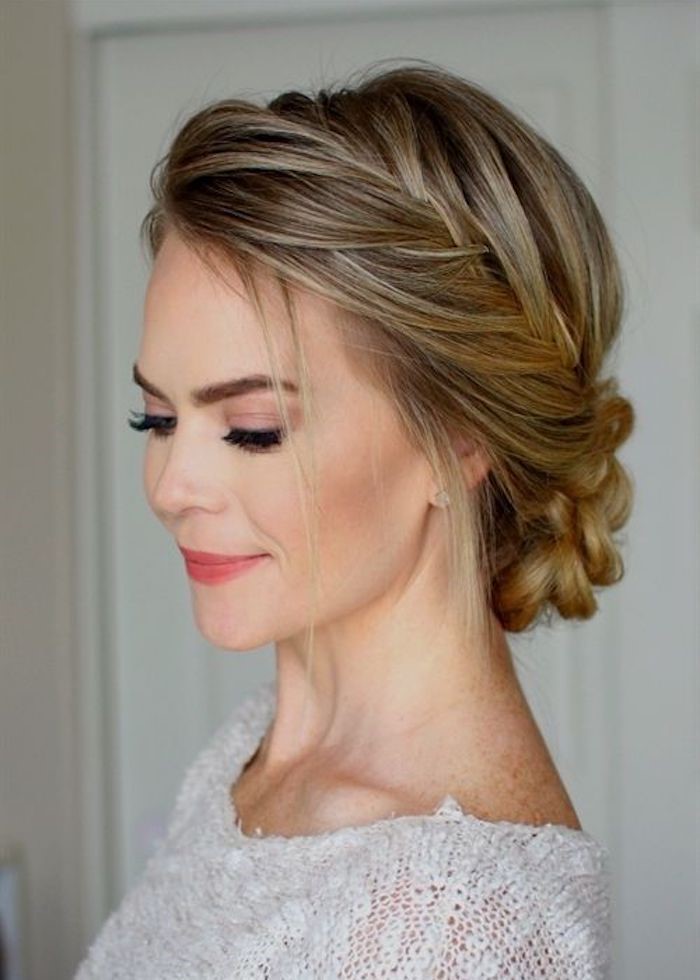
A crown braid moves hair away from the neckline and can highlight earrings. Practice the braid beforehand and avoid excessive tension at the temples.
7. Braided fishtail
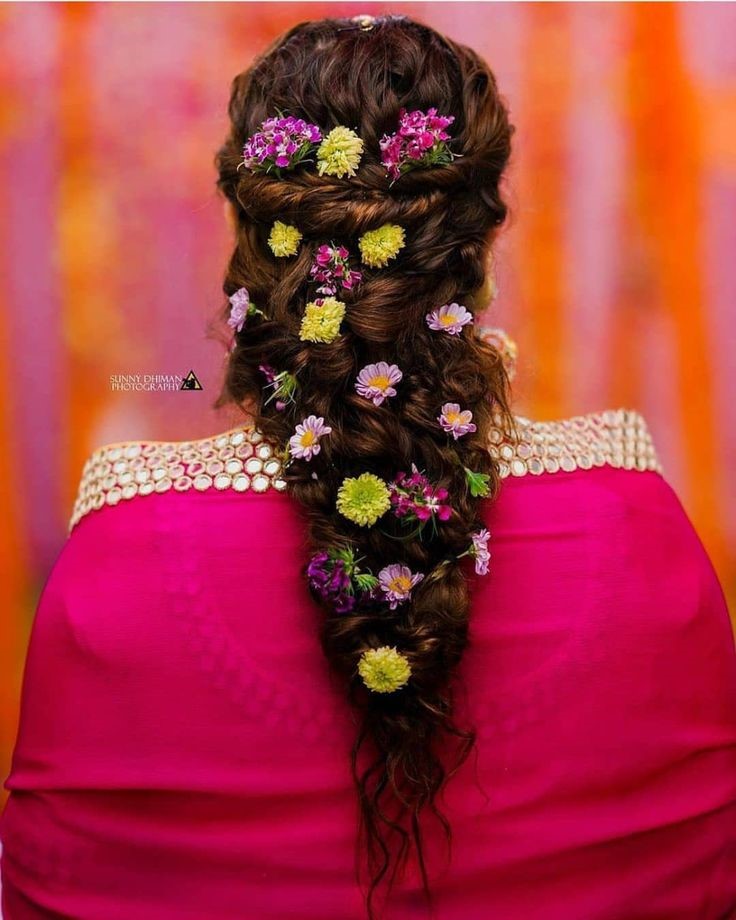
A textured fishtail braid gives long hair a detailed appearance. Start with a secure base, then gently loosen a few sections for volume. A braid is also practical when a windy outdoor venue makes loose hair difficult.
8. Relaxed low ponytail
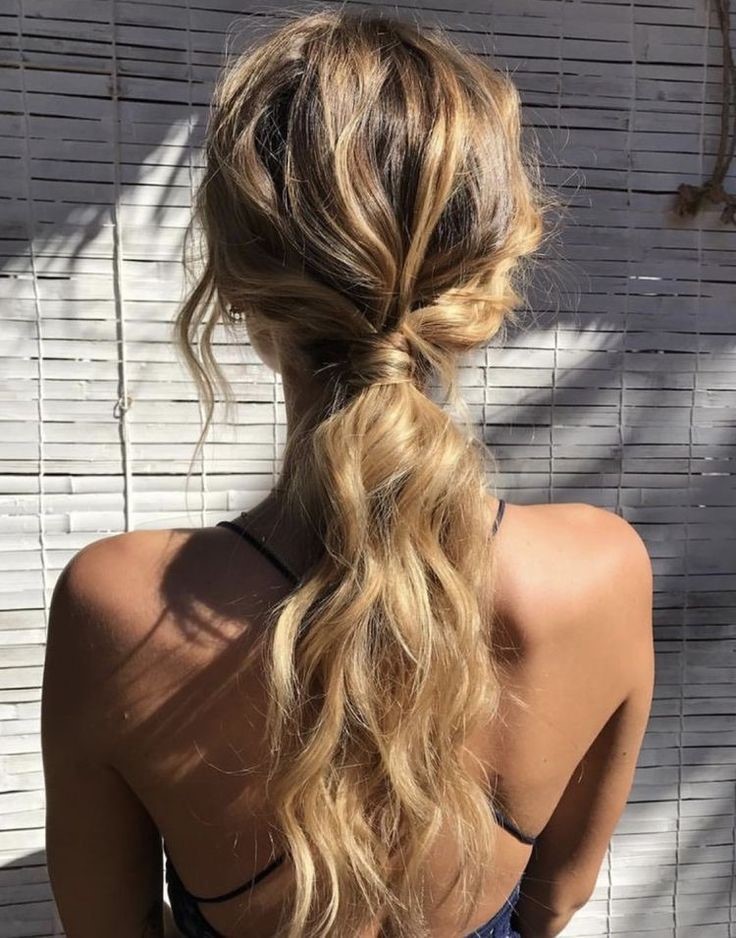
A low ponytail can be dressed up with a neat wrap around the hair tie and one decorative clip. This is a useful option for women who want a quick hairstyle that remains comfortable throughout a long event.
9. Twisted braided updo
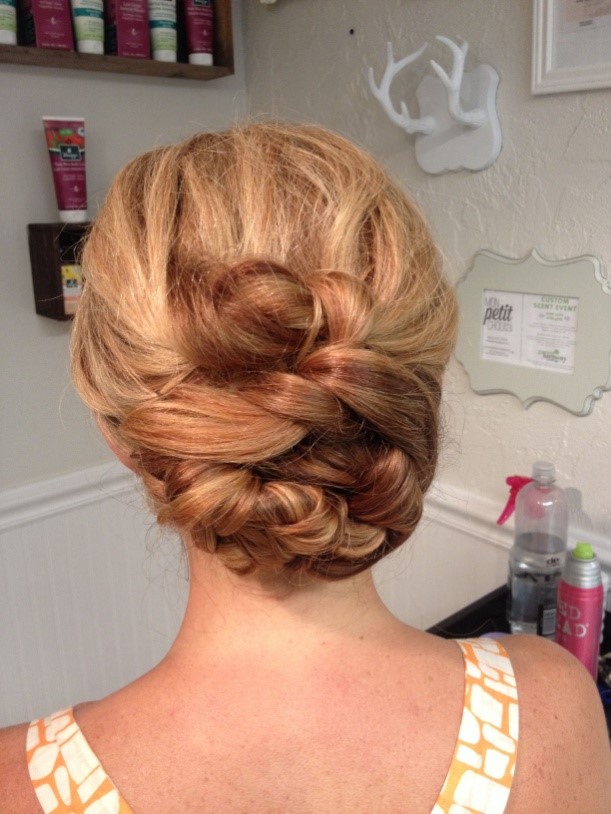
Twisted sections gathered into an updo suit a formal reception and help keep hair away from necklaces and embellished collars. Ask the stylist to test the hold without excessive hairspray.
10. Side-parted bun
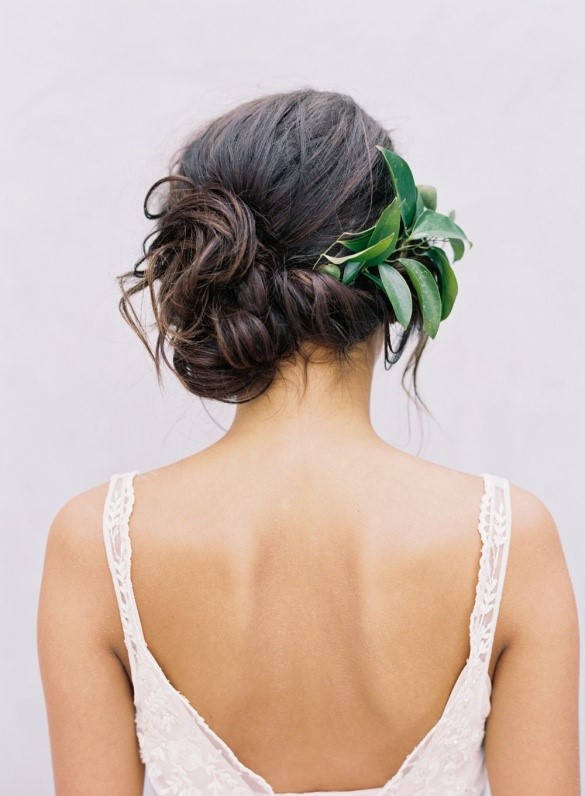
A smooth side-parted bun offers a simple backdrop for statement jewellery or an ornate dupatta. Leave enough room for any head accessory and place hairpins where they will not press against the scalp.
11. Pearl-accent hairstyle
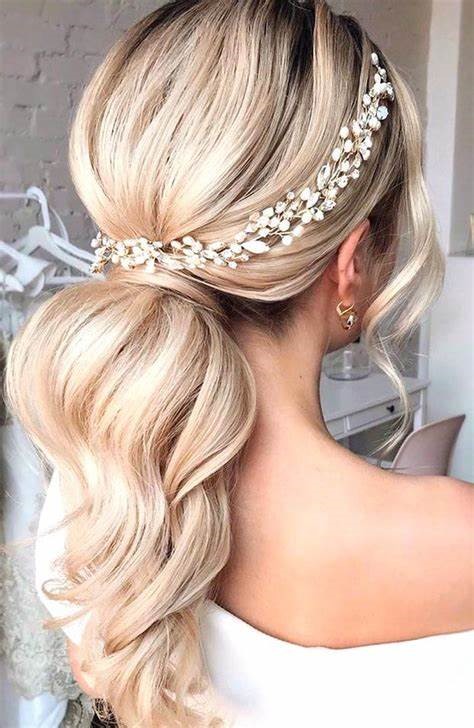
Small pearl clips or pins can dress up a simple half-up style. Use only a few accessories if your outfit already has mirror work, sequins or embroidery.
12. Voluminous braided ponytail
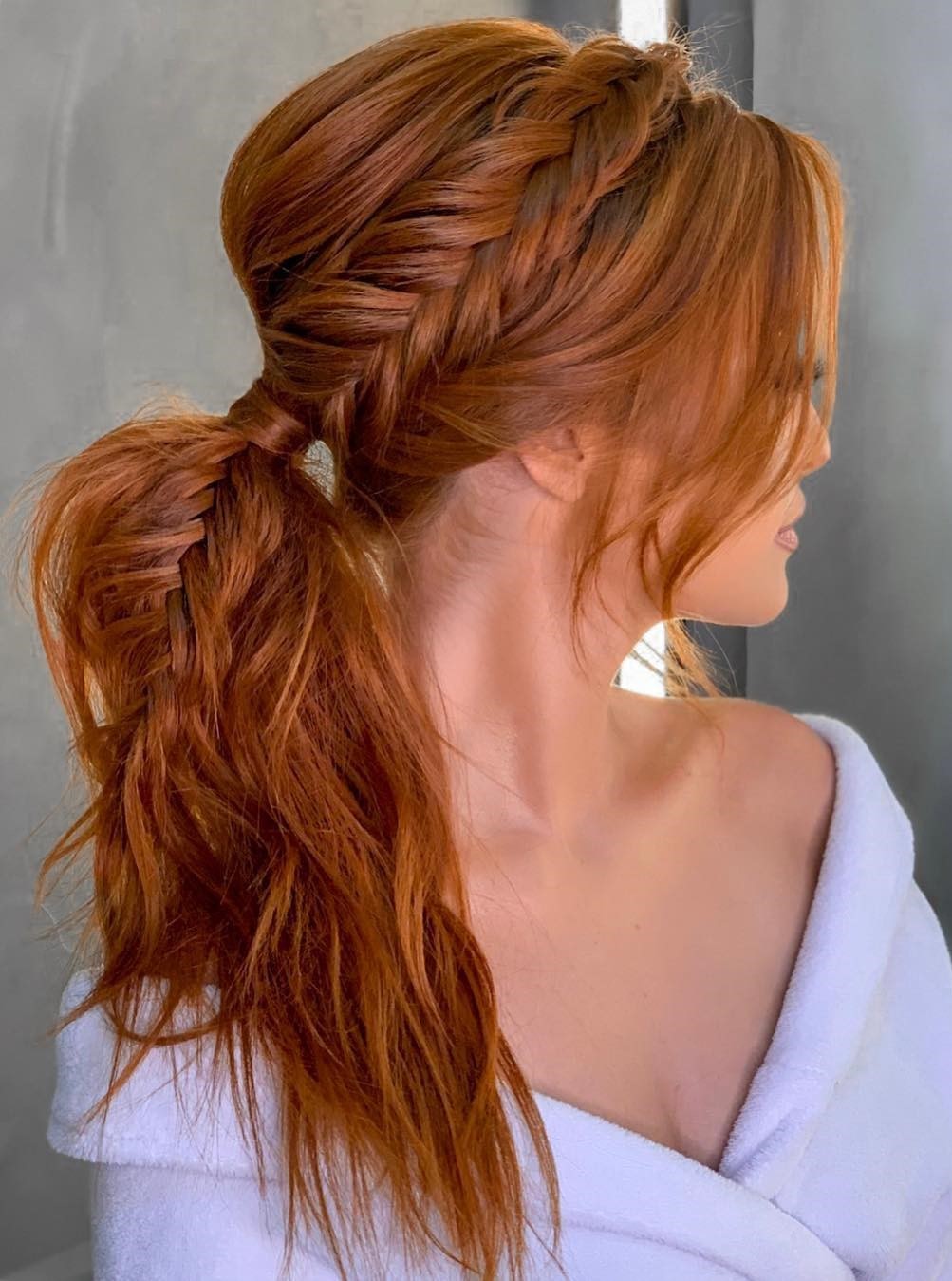
A braided ponytail brings structure to a long hairstyle. Keep the base secure but not tight, particularly if you expect hours of dancing.
13. Short textured waves
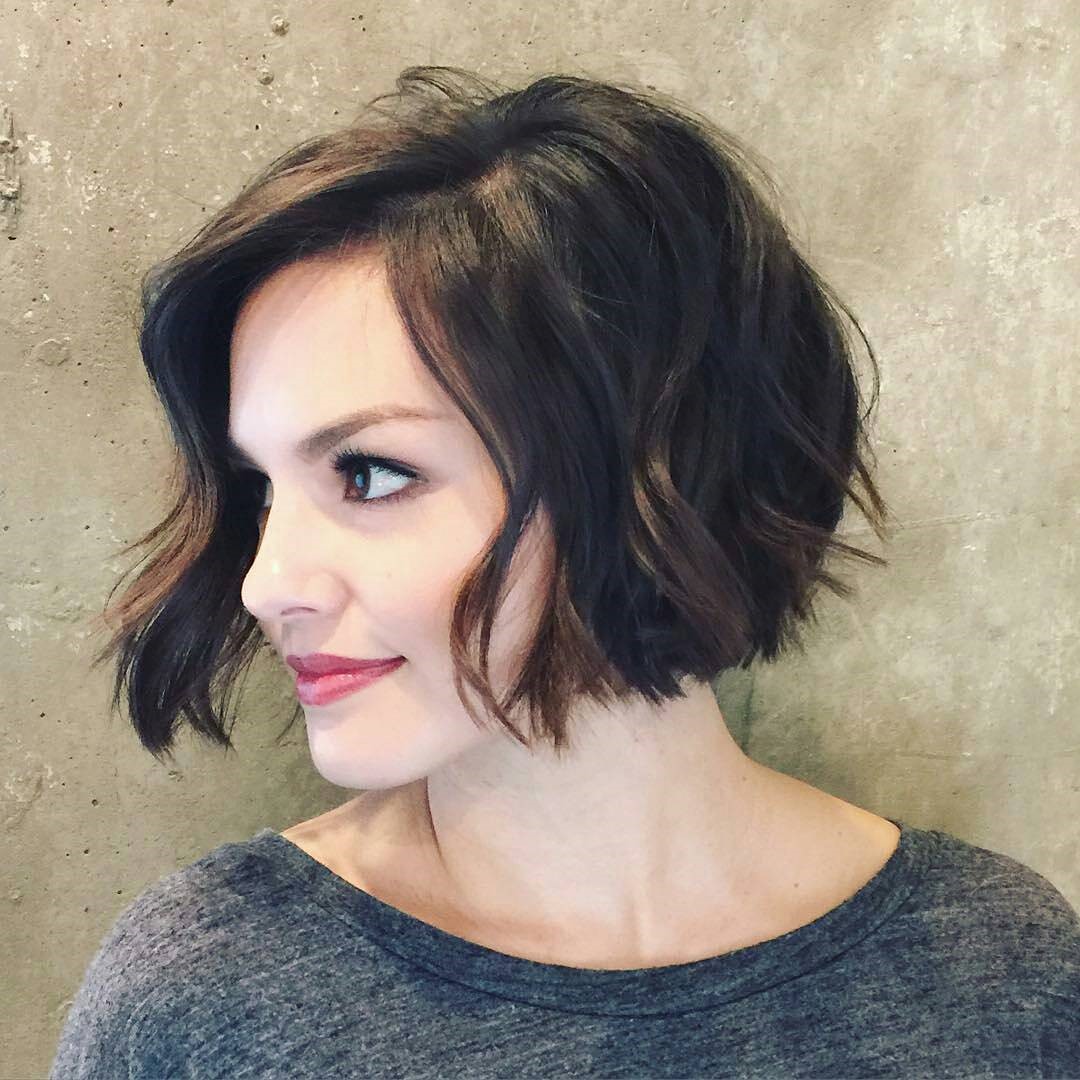
Women with shorter hair can create a festive look with gentle waves, a clean side part and one decorative clip. There is no need for extensions simply to attend a family function.
14. Low bun with face-framing pieces
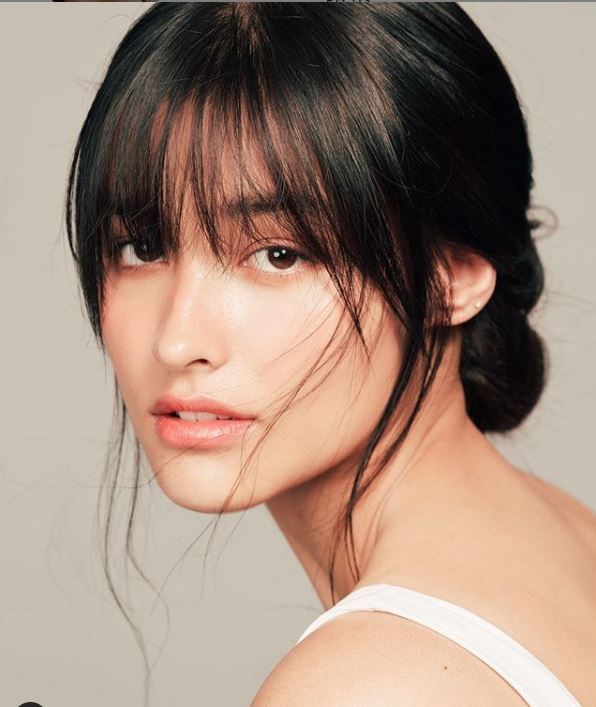
A low bun with a few soft pieces near the face works well with both salwar suits and contemporary dresses. Avoid letting loose strands interfere with earrings or a dupatta.
15. Textured curly style
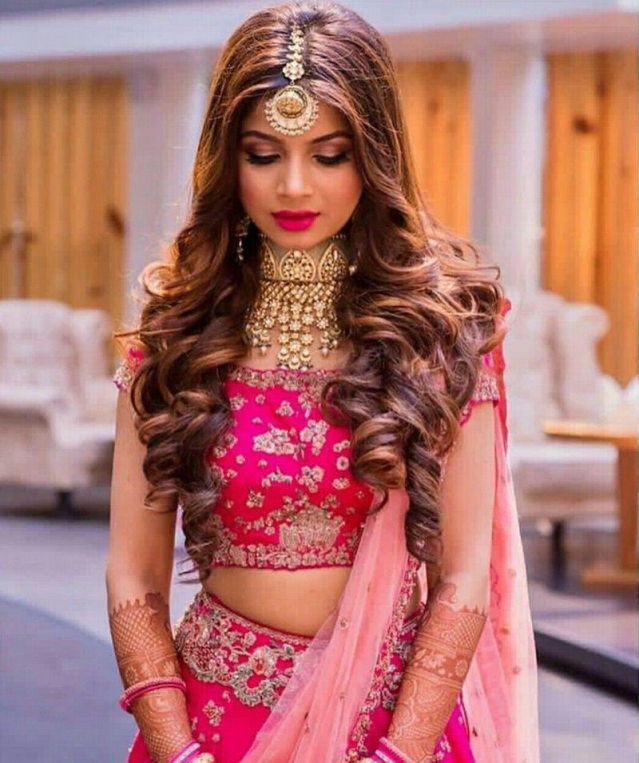
Natural curls can be styled for a celebration without straightening them. Define curls using products that suit your hair and keep clips light enough that they do not flatten the shape.
How to Choose the Best Hairstyle
- For a mehndi or daytime celebration: Try a soft braid, half-up style or gajra bun.
- For a sangeet: Choose a secure style that can withstand dancing and movement.
- For a formal reception: Consider a polished side bun or braided updo.
- With a dupatta or head covering: Test the bun height, pins and drape together before the event.
- For shorter or naturally curly hair: Work with your existing texture instead of choosing a style that requires substantial extensions.
Simple Preparation and Hair-Care Tips
Try your chosen hairstyle at least once before the function, especially when wearing a mathapatti, tikka or dupatta. Bring extra pins and a small comb. Limit tension around the hairline, avoid unfamiliar products on the day and follow heat-tool safety instructions.
For outfit ideas, see our Punjabi winter wedding suit guide. Our traditional Punjabi jewellery guide can help you balance hair accessories, earrings and head jewellery.
Frequently Asked Questions
Which Punjabi wedding hairstyle is easiest to do at home?
A low ponytail, soft waves or basic half-up braid is usually easier to practise at home than a complex updo. Choose according to your hair type and experience.
What hairstyle works with a dupatta?
A low bun, braid or smooth ponytail can work with a dupatta. If you need the dupatta to cover your head, make sure it stays secure without heavy pins or uncomfortable tension.
Are these hairstyles only for brides?
No. The ideas are suitable for brides, bridesmaids, relatives and wedding guests. Adjust accessories and formality to the function.
Final Thoughts
The best wedding hairstyle is one that feels comfortable and suits your outfit. Save two or three options, test them with your dupatta and jewellery, and choose the one that lets you enjoy the celebration.