
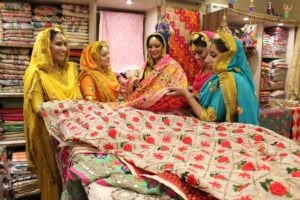
Shaadi season was here, and it was the timeline to dive into the vibrant world of Punjabi wedding traditions! From the foremost Roka to the final Chooda ceremony, each of these Punjabi wedding rituals was steeped in meaning and adds its own unique flavour to an festivities.
Indian Wedding Rituals
Among these, Punjabi wedding rituals stand out for their joyful spirit, elaborate ceremonies, and heartfelt gestures. From the Roka ceremony to the Haldi, each ritual had the significance that goes beyond just an celebrations.
Overview of Punjabi Wedding Traditions
Punjabi wedding traditions were the beautiful blend of cultural practices and religious customs. They involved multiple ceremonies spread over the several days, each marks a various stage of an wedding journey.
These Punjabi wedding rituals not only brought the couple closer but also strengthened the bond between the two families. The delicious food, loud music, and energetic dancing add to the festive atmosphere, making Punjabi weddings the unforgettable experience to everyone involved.
Roka Ceremony: The First Step in Punjabi Wedding
The Roka ceremony marking the official beginning of the Punjabi wedding rituals. It was the intimate affair where the groom’s and bride families meet to serve their blessings to the couple.
During the ceremony, the bride’s family visited the groom’s house with sweets and gifts. The elders from the both sides exchange garlands and applied tilak to each other’s foreheads as the sign of acceptance. The bride and groom also exchanged rings to solidify the commitment.
For the Roka ceremony, the bride could opt out for the beautiful embroidered saree or the trendy indo-western wear outfit. The groom could select the classic sherwani or the stylish kurta pajama set.
Sagan Ceremony: Time for Gifting
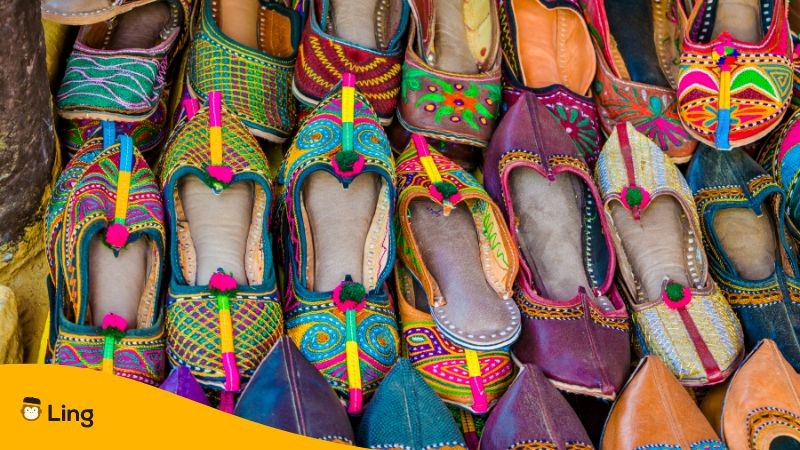
The Sagan ceremony in Punjabi wedding traditions was all about shower the bride and groom with blessings and love in the gifts form. The groom’s family visited the bride’s house with presents such as jewellery, clothes, and other items that the couple would required to begin the newest life together.
Chunni Chadana: Welcoming the Bride
The Chunni Chadana ceremony was the stunning Punjabi wedding ritual where the groom’s family formally welcomed an bride into their fold. The groom’s sister or mom drapes a chunni (a decorative dupatta) over an bride’s head, signify her acceptance into an family. This ceremony was often mixed with the engagement, where the couple exchanged rings in the presence of close family people. The bride looking resplendent in the bridal lehenga or a gorgeous bridal saree, while the groom dons the regal sherwani.
Sangeet and Jaggo: Night of Music and Dance
No Punjabi wedding was completed without a night of music, dance, and celebration. The Sangeet and Jaggo ceremony were all about letting loose and have a good timeline with family and friends. The Sangeet was usually hosted by an bride’s side and involved performances by an couple, their friends, and relatives. From bhangra to Bollywood numbers, the dance floor was always packed with the enthusiastic revellers.
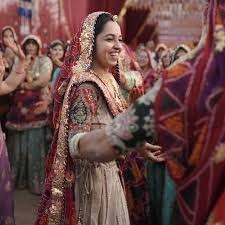
The Jaggo, on the other side, was the traditional ceremony where the women from the groom’s side visited the bride’s house with decorated pots filled with a lit wick and oil. They sing folk songs and blessed the couple for the happier married life.
For the fun-filled functions, guests could opt for the colourful indo-western wear for trendy lehenga cholis and women. Men could choose from the range of indo-western outfits and stylish kurta pajama sets.
Mehendi Ceremony: Adorning the Bride
The Mehendi ceremony was the joyous occasion where the bride’s feet and hands were adorned with intricated henna designs. It’s faith that the darker the colour of an mehendi, the more the groom would loved his bride.
The women of the family sung traditional songs while the mehendi creative artist worked her magic. The bride normally wears up the vibrant green lehenga or the yellow saree for the ceremony, symbolised new beginnings and prosperity.