
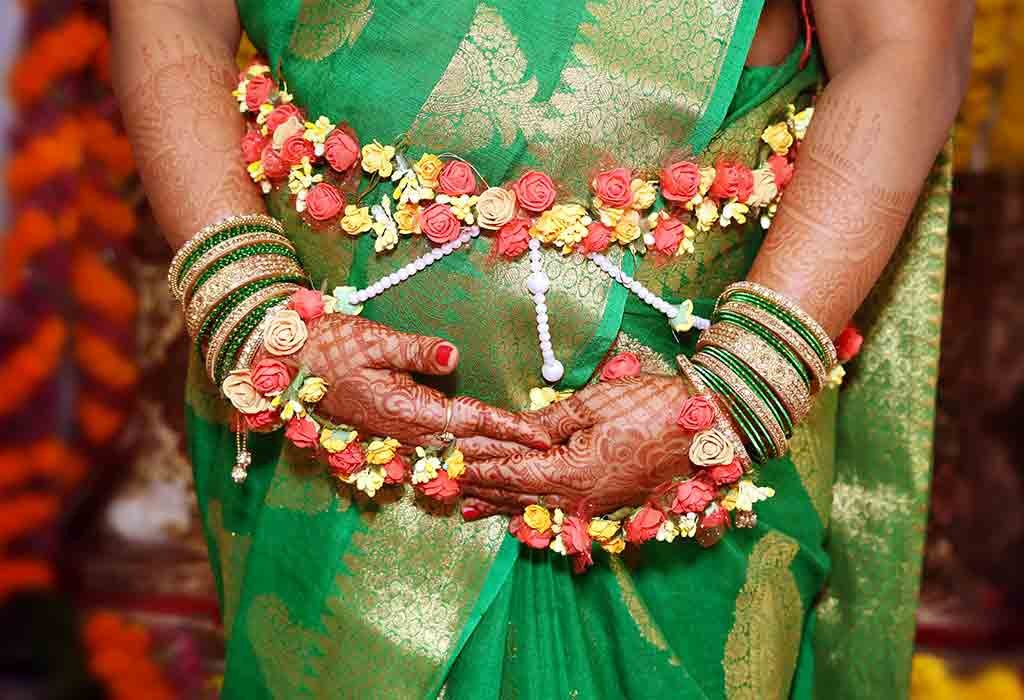
The Godh Bharai traced the roots to an ancient Hindu pregnancy ritual Simantonnayana—one of the traditional saṃskāras, faith to protecting the mom and baby during final stage of pregnancy. Historically:
- Elder women performing protective rituals.
- Folk songs and Giddha were utilized to bless the expectant mom.
- The gathering was usually women-only to develop the comfy space.
Even today, Punjabi Godh Bharai ceremony carried forward the legacy of intergenerational bonding, feminine wisdom, and emotional support.
Regional Variations of Indian Baby Showers
Indian North Indian Godh Bharai, baby showers vary by region, Maharashtrian Dohale Jevan, and South Indian Seemantham/Valaikappu, Bengali Shaad each with its own rituals but all meant to bless the mom and baby.
| Region | Local Name of Ceremony | Key Highlights |
| Punjab / North India | Godh Bharai / Sadh | Lap-filling ritual, blessings, songs, tikka |
| South India | Seemantham / Valaikappu | Bangles ritual, puja, women tying protective threads |
| Maharashtra | Dohale Jevan | Special food cravings feast, lap-filling, songs |
| Bengal | Shaad | Mom favourite meal prepared by in-laws |
| Gujarat / Rajasthan | Kankotri / Godbharai | Coconut rituals, decorated thali, blessings |
All these variations sharing one theme celebrated blessed the expectant parents and motherhood.
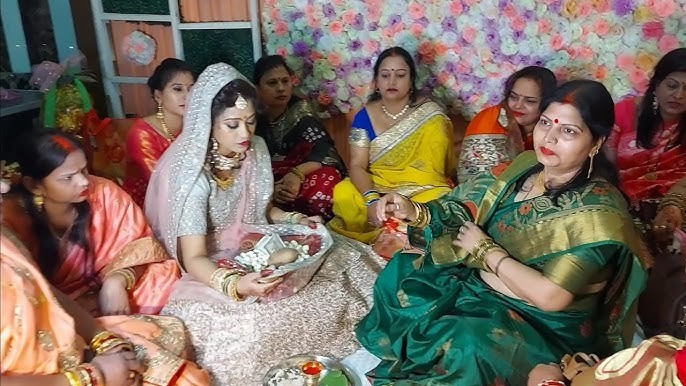
Godh Bharai celebration – when & where to host
The traditional time for Godh Bharai in Punjabi households is the 7th or 8th month of pregnancy. This period was considered emotionally uplifting, auspicious, and safe to the expecting mom.
Why This Month?
- Baby’s development was stable
- The mom was energetic enough to participate
- Traditional belief: the third trimester bring out prosperity, blessing and energy
Where to Host the Ceremony?
- At home: Many families preferred the comfort of the home, which makes up any sense. Here, the elders and close relatives could conduct the rituals in the intimate setting.
- At a gurudwara: Some selected to host the Godh Bharai rasam at the Gurudwara, where the Ardaas (prayer) was performed, seek divine blessings for the mom and kid.
In Punjabi, Step-by-Step Rituals of the Traditional Baby Shower
Every ritual that you see in the typical Punjabi Godh Bharai ceremony had the symbolic meaning. It reflected blessings, protection, and joy for the expectant mom and kid.
1. Ardaas (prayer for blessings)
The ceremony usually started with the Ardaas, where the family prayed for the wellbeing of the mom and baby. If the event taken place at the Gurudwara, a small Kirtan (hymn recital) is held out before the celebrations started—an significant chunk of cultural Punjabi Godh Bharai rituals.
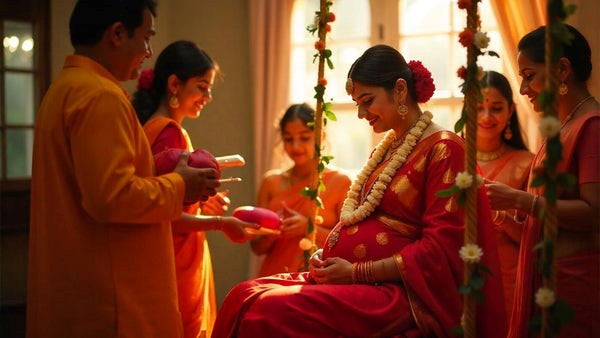
2. Seating the mom-to-be on a traditional manji and peeri
The expecting mom would seated on the comfortable manji (cot)and peedi (small stool). Female relatives apply tikka on her offer blessings and forehead, Punjabi baby shower customs follow up the classic sequence.
3. Godh bharai ritual: filling the lap with gifts
This is the Punjabi baby shower heart. The mom-to-be’s lap is filled with bangles, baby clothes, fruits, sweets, beautifully shagun envelopes and packed mithai boxes, all symbolised good wishes and prosperity. Modern families often add on light-hearted gifts from chachas and mamas to kept the atmosphere stress-free and joyful.
4. Showering with flowers, rice, and Blessings
Guests also showered the expectant mom with flower petals and grains of rice, an age-old ritual faith to bring up purity, abundance, and protection to both the child and mother.This act is faith to bring a lot of positivity and protected both the mom and kid from false energies.
5. Musical celebrations with dhol & giddha
No Punjabi celebration was completed without Giddha and dhol beats. Women sung blessed-filled folk songs, and sometimes the mom-to-be’s favourite playlist was included to make up the moment even more memorable and personal.