
A Tapestry of Time: The Heritage of Handmade Work, Organza, and Tissue Silk in Punjabi Clans.
The noble Punjab families, specially the another prominent clans, Sodhis, Randhawas, and Sandhus, had always been connoisseurs of best fabrics. From the grand courts of Kapurthala, Patiala, and Amritsar to the personal collections of aristocratic lineages, Tissue Silk and Organza had been at the sartorial elegance and forefront. These fabrics was reserved for good occasions, signify grandeur and wealth. Handmade embroidery further elevating the significance, makes each piece the work of art.
The Weaving and Handcrafting Process: Crafting Luxury
Both Tissue Silk and Organza were crafted through meticulous weaving techniques that demanded artistry and precision. Organza, primarily woven from the silky threads, undergoes the unique procedure that gave it the crisp texture, making it perfect for the structured garments. Tissue Silk, on the other side, is the delicated blend of metallic yarns and silk, given it the luminous sheen that catch up the light exquisitely.
The Use of Handmade Work, Organza, and Tissue Silk in Punjabi Clans’ Attire
Punjab’s noble families Tissue Silk and embraced Organza with elaborated handwork for different occasions:
1. Wedding Attire
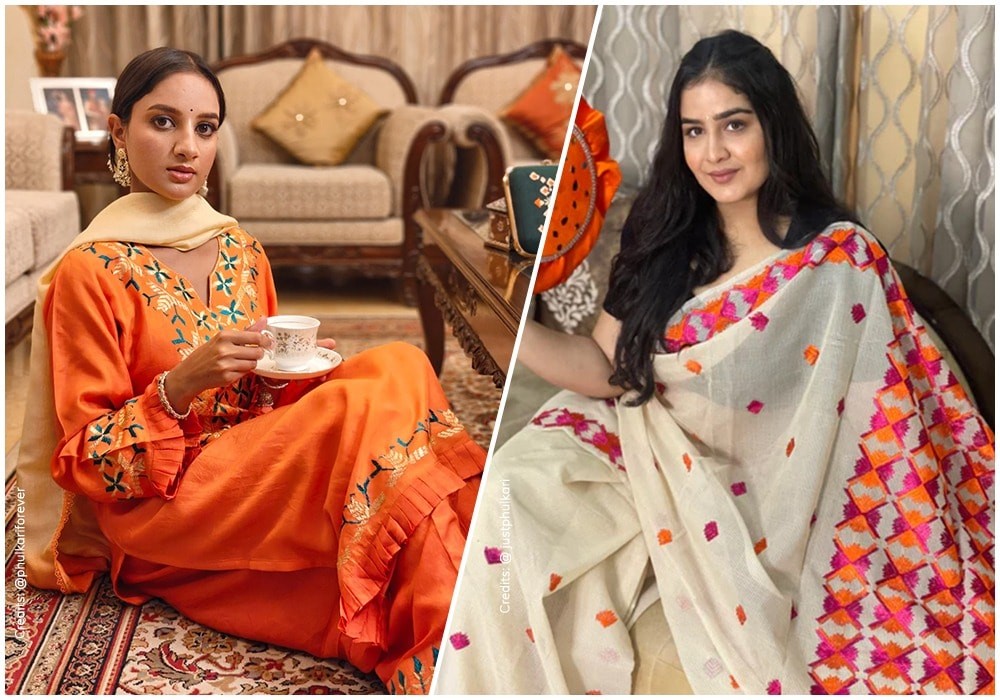
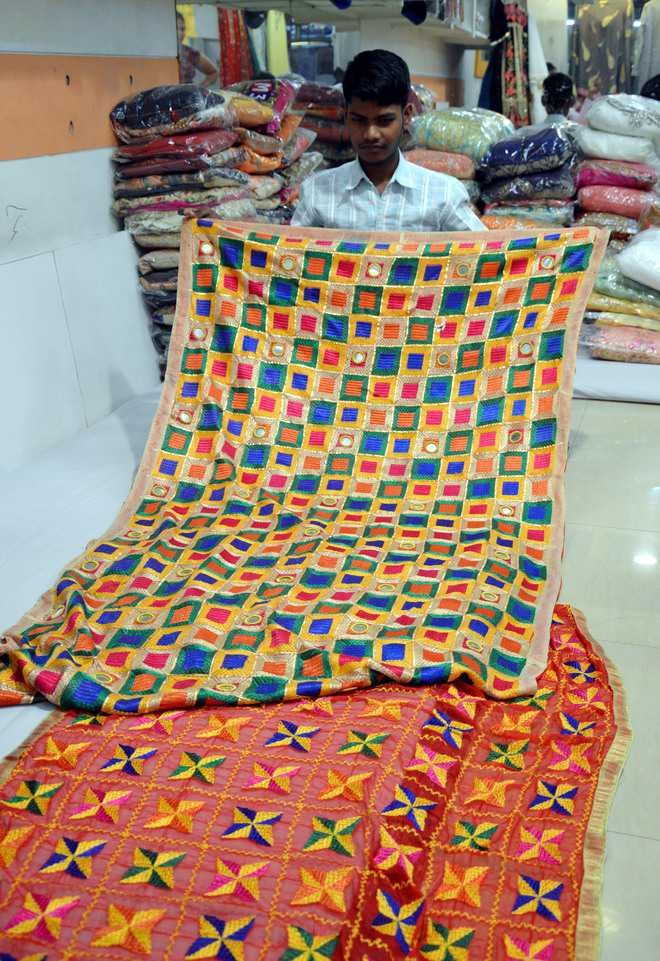
Punjabi grooms and brides adorn these luxurious fabrics in the wedding ensembles. Organza dupattas with heavier gold embroidery were draped over the intricated Tissue Silk lehengas, developing the ethereal look. Even the sherwanis of the grooms featuring subtle Tissue Silk linings and Organza overlays, enriching with regal motifs and handmade threadwork. The traditional Patiala salwar suits with exquisite phulkari embroidery remained the staple in an elite Punjabi weddings.
2. Festive Celebrations
Be it Lohri, Baisakhi, or Diwali, the elite families of Punjab donned Tissue Silk and Organza ensembled featuring exquisite handcrafted detailing. Women pair up heavily embroidered Tissue Silk suits with the Organza odhnis, while men flaunted bandhgalas and angarkhas in the regal weaves, often adorned with delicated mirror gota patti and work borders. In the Tissue Silk, The Basanti-colored Phulkari dupatta for Baisakhi celebrations remains an important chunk of Punjabi festive wear.
3. Courtly Gatherings and Religious Ceremonies
Gurudwara and Royal gatherings visited were other arena where the fabrics showcase the grandeur of Punjab’s aristocracy. Women’s salwar kameez set up made of Tissue Silk, adorn with real silver and gold threads and handwoven motifs of floral and peacocks patterns, were often pass up generations as heirlooms. The chandani odhnis(moonlit veils) in Organza with gota work were the staple in auspicious occasions and religious offerings.
4. Special Occasions and Political Meetings
During visits by foreign dignitaries, grand assemblies, diplomatic meetings, and members of business and royal families showcased the wealth through elaborately handcrafted Tissue Silk ensembles and Organza. The detailed handwork on the dress reflected not just the artistic brilliance but also the heritage legacy. The traditional Punjabi kurta-pajama with embroidered shawls in Tissue Silk signify status and honor.
The Symbolism of Handmade Work, Organza, and Tissue Silk in Punjabi Luxury Attire.
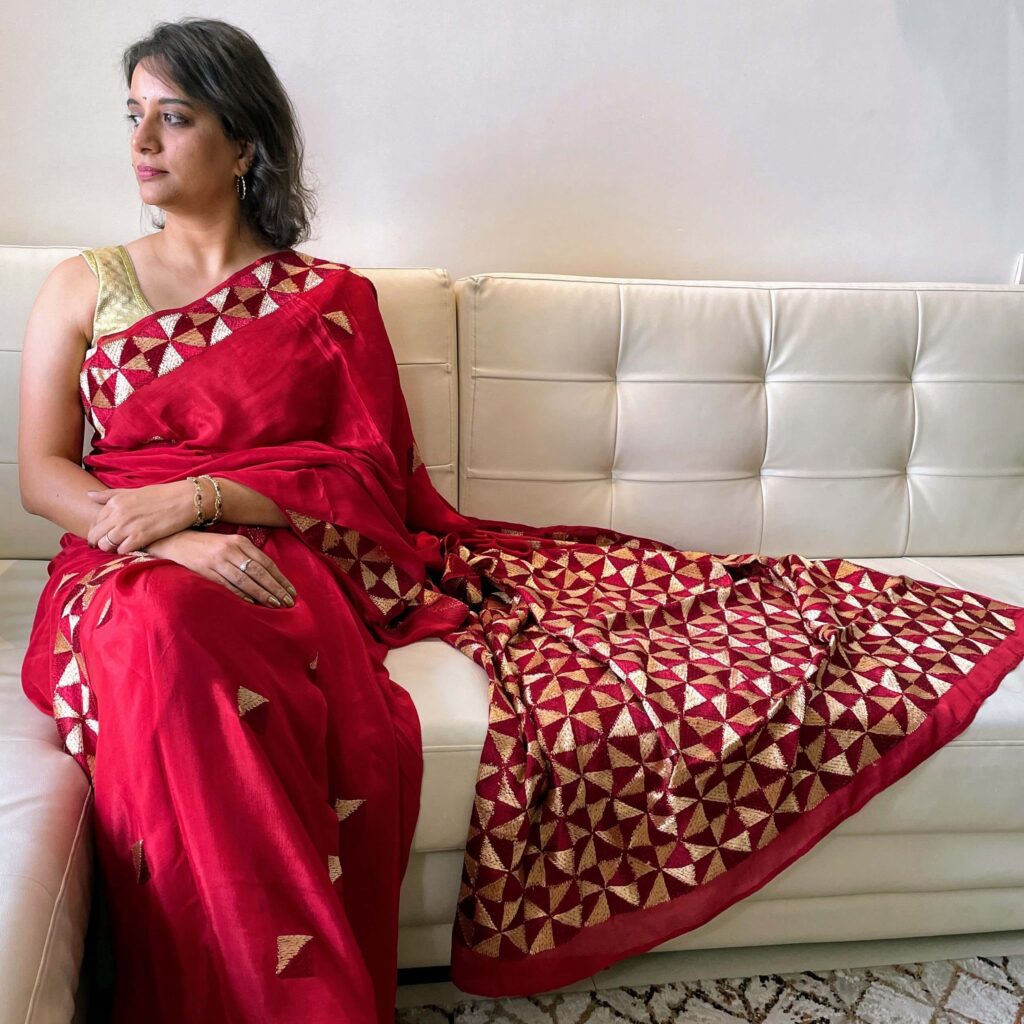
The fabrics were more than just the wealth display—they represent the family’s lineage and standing. The color choices also playing the symbolic role: royal blues, deepened reds, golden yellows were reserved for grand festivities, while pastel shades in Organza was favored for the sophisticate day events.
Modern Revival: Organza, Tissue Silk, and Handmade Work in Contemporary Punjab.
Today, the charm of Tissue Silk and Organza continued to reign in Punjab’s luxury fashion scene. With modern adaptations by designers, the fabrics had found a place in global haute couture while retain the cultural essence. Influential celebrities and families still opting for the custom-made Tissue Silk outfits and Organza, rich way adorned with handmade embroidery, for grand occasions, kept the heritage much alived.