
Blend of Tradition and Modernity
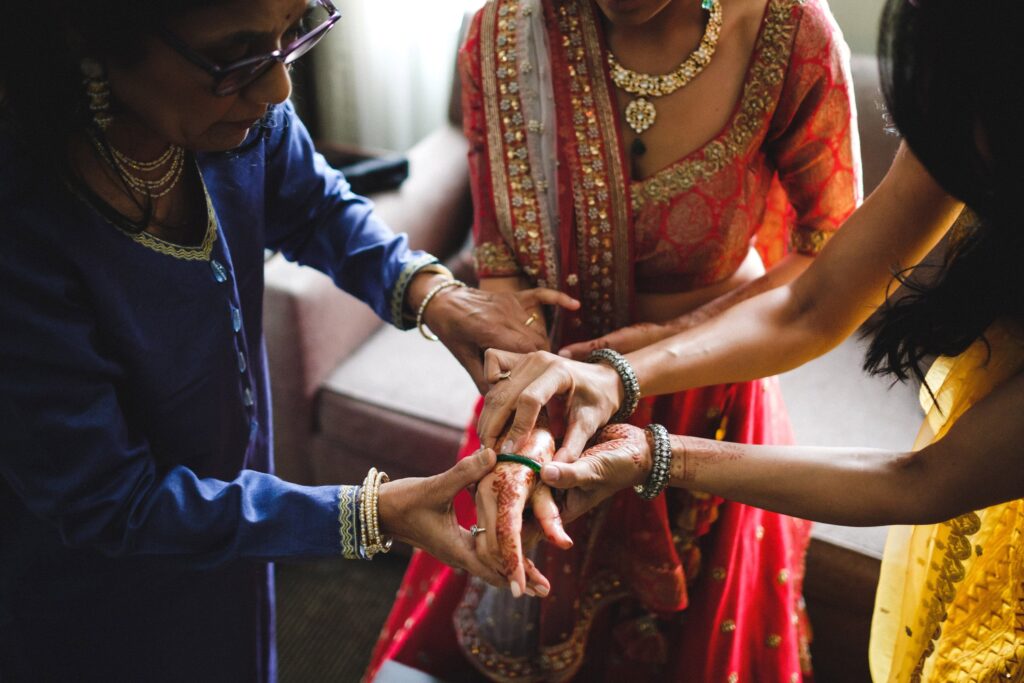
In contemporary times, bangles continue to be the significant chunk of Indian fashion. Designers blended traditional designs with modern aesthetics, developing chunks that appeal to both the old and the young. Bangles were now accessible in the plethora of styles, catering to different preferences and tastes.
Statement of Empowerment
For numerous modern Indian women, wearing bangles was also a statement of cultural pride and empowerment. They represented a connection to their a celebration of their identity and heritage. In professional settings, women often paired traditional bangles with modern attire, symbolised a blend of progressiveness and tradition.
Bollywood and Media Influence
Bollywood, India’s vibrant film industry, has played a significant role in popularising bangles. Iconic scenes featured heroines wearing bangles had left a lasting influenced on famous culture. Songs and dances revolved around bangles continued to enthral audiences, kept the tradition vibrant and alive.
Frequently Asked Questions
Q: Why were bangles significant for married women in Indian tradition?
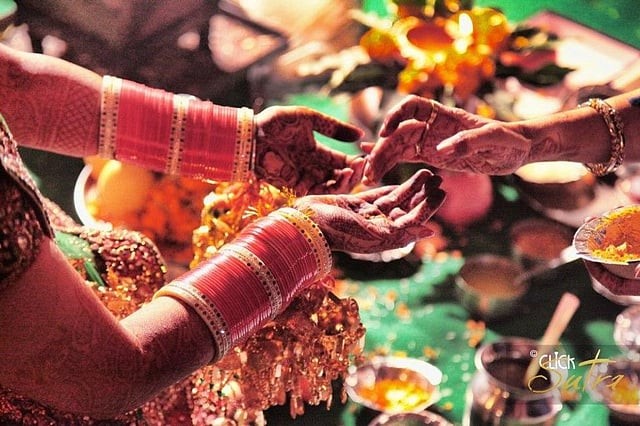
A: Bangles symbolised marital status and are faith to brought good prosperity, fortune, and protect against evil spirits. They were integral to different wedding rituals, represented the well-being and blessings of the family and husband.
Q: What materials were commonly utilized to make out bangles in India?
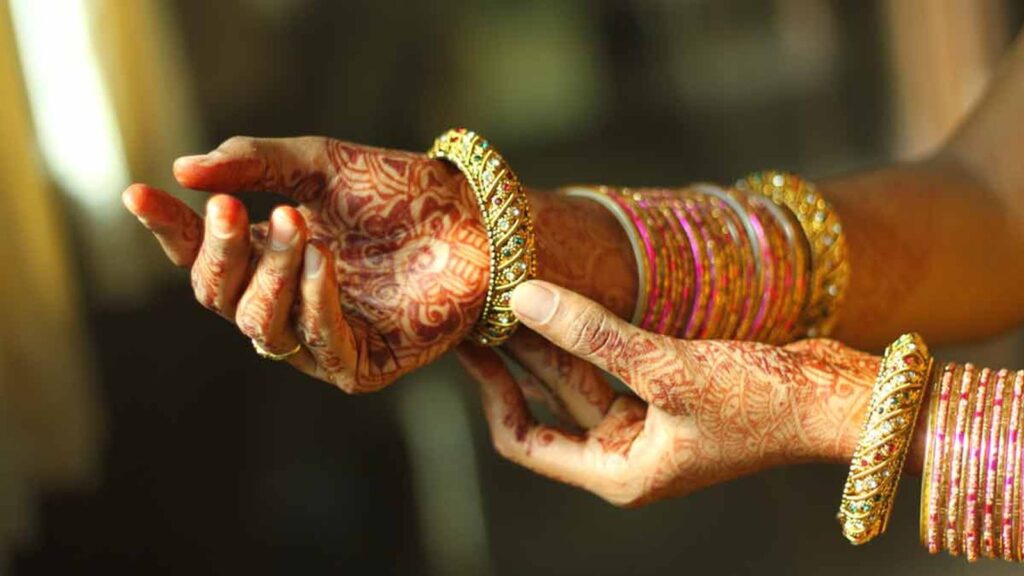
A: Bangles in India were made from the variety of materials including gold, glass, silver, plastic and wood. Every material holded its own significance and is selection based on personal, cultural, and regional preferences.
Q: How do various regions in India vary in the bangle traditions?
A: Various regions had unique bangle traditions. For example, Bengali women wearing shakha pola (coral and conch bangles), Rajasthani women preferred lac bangles, and South Indian women often adorned gold bangles, every symbolising regional beliefs and cultural identity.
Q: Do bangles have some health benefits as per to traditional faith?
A: Yes, traditional faith, particularly in the Ayurveda, suggesting that wearing bangles could refined blood circulation due to an friction on the wrist. Additionally, materials such as copper utilized in bangles are faith to had therapeutic properties.
Q: How have modern fashion trends influenced the tradition of wearing bangles?
A: Modern fashion trends had incorporated traditional bangle designs with the contemporary aesthetics. Designers created versatile chunks that appeal to different tastes, permit women to blend up cultural heritage with the modern style, often utilizing bangles as the statement of identity and empowerment.
Spiritual and Health Beliefs
Aura and Energy
In numerous parts of India, bangles are faith to had spiritual significance. The circular shape of bangles represented the concept of the cyclical nature of life and eternity. They were thought to regulate the energy flow within body, maintain a balance that promote well-being. The gentle sound of clinking bangles is said to enhanced positive vibrations in environment.
Health Benefits
Traditionally, it was the faith that wearing bangles can having health benefits. In Ayurveda, the ancient medicine Indian system, it was suggested that the friction between the bangle and the wrist could support improving blood circulation. Moreover, some materials utilized in bangles like copper, are faith to having therapeutic properties.
Conclusion
The bangles significance for women in Indian culture transcended mere aesthetics. They were the richened tapestry of tradition, cultural and symbolism identity. From the ancient origins to the modern interpretations, bangles continued to be cherished as the symbol of social status, beauty, and spirituality. Whether worn as the marking of marital status, bangles, a fashion statement, and the spiritual talisman holding a special place in the Indian women hearts, reflect the timeless diversity and beauty of Indian culture.