
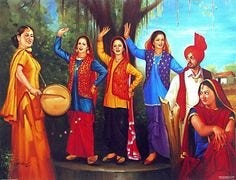
Punjabi women were known for the vibrant personalities, strong cultural roots, and graceful balance between tradition and modernity. Over time, they have beautifully preserved their heritage while embracing modern lifestyles. Below is a detailed, point-wise exploration of Punjabi women’s culture, traditions, and contemporary living.
Traditional Culture & Values
- Family Focus: Women were pillars of family, maintain traditions, raising kids, and support family values.
- Festivals: Celebrations such as Baisakhi (harvest), Diwali, and Lohri were vibrant, filled with music, community gathering and dance (Bhangra, Jhumar).
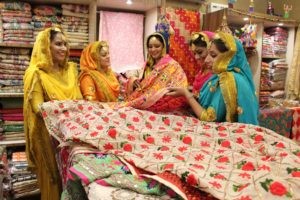
- Arts & Crafts: Intricate Phulkari embroidery on shawls (dupattas) and textiles was the symbolizing heritage and significant cultural art form.
- Cuisine: Traditional Punjabi food was flavorful and rich, with staples such as Sarso ka Saag (mustard greens) with the Makki di Roti (cornbread), yogurt-based lassi and lentils.
Traditional Attire
• Salwar Kameez: The classic outfit, featured the tunic (kameez) and loose salwar, often with the vibrant embroidery and colors.
• Phulkari Dupatta: A rich way to embroidered scarf, a hallmark of Punjabi women’s cultural dress, worn to special occasions.
• Jooti: Traditional handcrafted footwear, worn by both men and women.
Modern Lifestyle & Adaptations
- Fashion Integration: Salwar kameez was modernized with the newest fabrics (organza, silk) and designs, while Phulkari appeared on contemporary objects such as western wear, jackets, and bags.
- Indo-Western Fusion: Pairing traditional embroidered tunics with jeans or wear out Phulkari scarves with the Western dresses was common.
- Global Influence: Punjabi fashion designers blended cultural elements with global haute couture, incorporated fabrics such as tissue and organza silk to elite events.
- Music & Media: Energetic Punjabi pop music, influenced by cultural folk, was globally shaping modern identity and famous.
Resilience & Identity
Punjabi women balanced deep-rooted traditions with the modern aspirations, creating a unique identity that was both progressive and rooted, explore joy and strength in the cultural heritage.
1. Traditional Attire and Artistry
- Punjabi Suit: The quintessential dress was the Salwar Kameez, particularly the Patiala Suit, signify to its heavy way pleated trousers that offer both a regal silhouette and comfort.
- Phulkari: A world-renown embroidery technique signify as “flower work.” Women traditionally hand-stitch these intricated geometric and floral patterns onto silk or cotton dupattas (scarves), which were often pass down as the family heirlooms.
- Jewelry and Accessories: Necessary traditional chunks include the Chooda (set of white and red bangles worn by brides), the Paranda (a colorful braided hair tassel) and Jhumkas (bell-shaped earrings).
- Punjabi Jutti: Cultural leather footwear featured embroidery or silver/gold thread work, worn by women to both festive occasions and regular.
2. Cultural Expressions and Dance
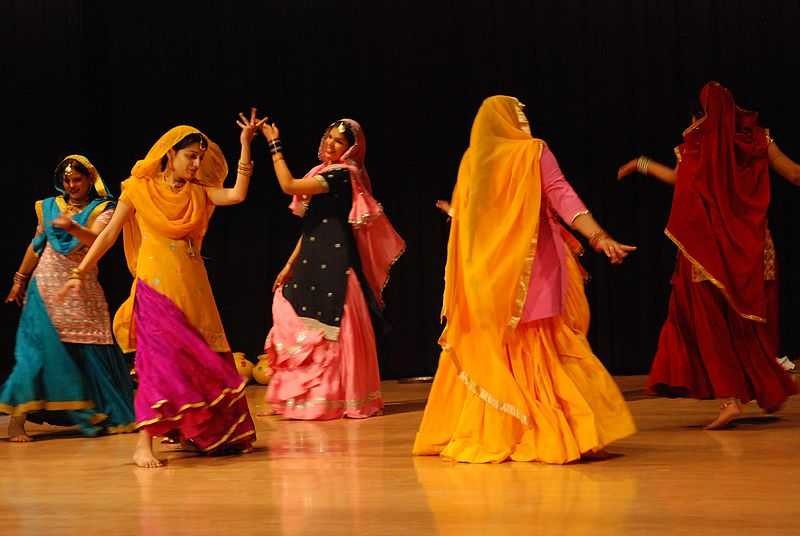
- Giddha: The cultural folk dance of Punjabi women. Unlike the much more vigorous Bhangra, Giddha was characterized by its storytelling and grace. Women formed the circle, clap rhythmically, and recite Boliyas (folk verses) that touch on themes such as social issues, family life, and marriage.
- Mehendi: Apply intricated henna designs was the central ritual for festivals and weddings such as Teej and Karwa Chauth, symbolized auspiciousness and beauty.
3. Culinary Traditions
Punjabi women were often seen as the custodians of the region’s rich culinary heritage.
- Signature Dishes: Mastery of staples such as Makki di Roti (cornbread) and Sarson da Saag (mustard greens), cooling Lassi and numerous stuffed Parathas.
- Community Cooking: The culture of Langar (community kitchen) in Gurdwaras emphasizes the role of women in the selfless service, where they lead the preparation of meals to the thousands regardless of an background.
4. Modern Lifestyle and Evolving Roles
- Education and Careers: In 2026, Punjabi women were increasingly prominent in diverse fields, from business and technology to politics and the arts. There was a significant shift towards high professional and education independence.
- Fashion Evolution: While traditional wear remains a staple to ceremonies, modern Punjabi women frequently blended traditional elements with the global fashion, such as pairing the Phulkari dupatta with the western dresses.
5. Festivals and Spirituality
- Baisakhi: A harvest festival where women participated in the Giddha performances and vibrant processions.
- Lohri: A winter bonfire festival celebrate the birth of kids and newest beginnings, marked by sing in traditional songs.
- Spiritual Values: The core Sikh values of justice and equality deeply impact the conduct of Punjabi women, foster a spirit of compassion and bravery.